
Prevent First and Fix Fast
As a Managed Service Provider (MSPs) we know you operate in increasingly complex environments, managing multiple platforms, having to meet strict regulatory requirements, while maintaining high client expectations. Nectar’s scalable solution simplifies operations, without adding overhead enables you to:
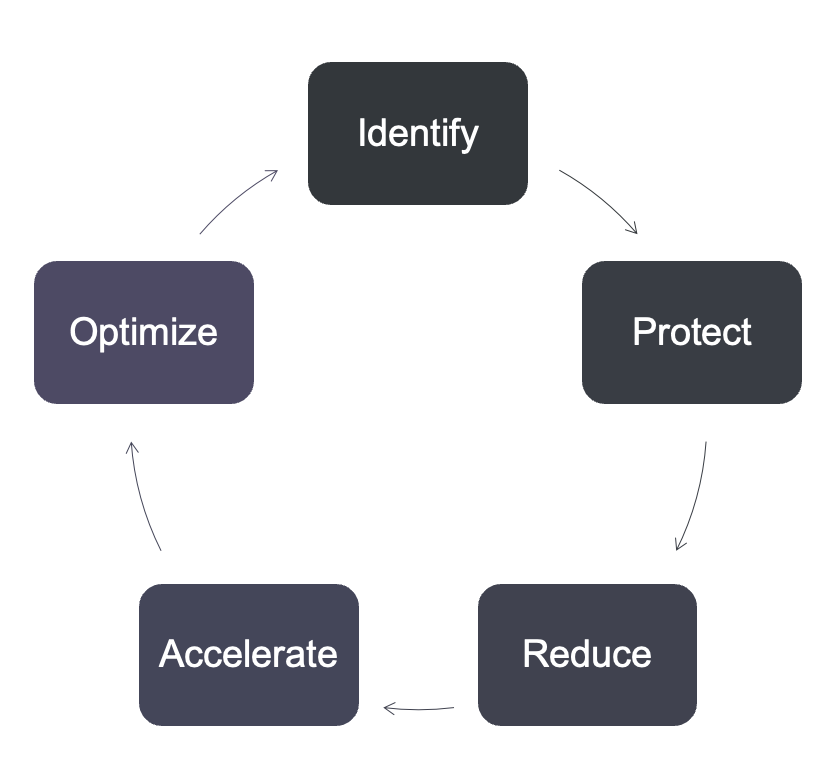
- Identify network and customer issues before they impact SLAs
- Protect the brand from poor experiences and compliance risks
- Reduce operational complexity and solve problems faster
- Accelerate onboarding and time to revenue
- Optimize commercial value and service delivery.
Nectar’s unqiue features include advanced analytics capabilities, extensive multi-cloud observability, MSP-tailored dashboards, brand assurance initiatives, and comprehensive compliance support. Get ahead of your competition with Nectar and gain a distinct operational and strategic advantage.
Nectar Service Provider Key Feature Benefits
Complex Multi-Vendor Communications Management Simplified
MSP-Specific Analytics
MSPs need analytics tailored to multi-client environments—not just individual organizations. Purpose-built metrics provide insights into client performance, operational efficiency, and service profitability. Customizable reporting highlights value, helping MSPs optimize support, reduce costs, and improve SLAs while reinforcing their role as a trusted service provider.
Multi-Cloud Observability
MSPs manage multi-cloud environments across AWS, Azure, Google Cloud, and private clouds. A unified observability platform eliminates blind spots, providing real-time performance monitoring and cross-platform issue detection. Seamless visibility ensures optimal uptime, faster troubleshooting, and a streamlined approach to managing hybrid infrastructures.
White-Label Capabilities
White-labeling allows MSPs to offer custom-branded monitoring dashboards, portals, and reports. Instead of promoting third-party tools, MSPs strengthen brand presence, enhance client trust, and reinforce their value. With a fully branded experience, MSPs improve customer retention while maintaining a seamless, professional look and feel.
Compliance Automation
MSPs must ensure compliance with GDPR, HIPAA, PCI-DSS, and ISO 27001. Automated compliance monitoring tracks policies, generates audit-ready reports, and detects security risks in real time. This reduces manual work, minimizes compliance violations, and provides clients with transparent assurance of regulatory adherence.
Service-Level Insights
Meeting SLAs is critical for MSPs. Real-time dashboards track uptime, response times, and resolution rates, ensuring SLA compliance and proactive issue resolution. Automated alerts prevent service disruptions, while transparent reports demonstrate reliability—helping MSPs maintain client trust and meet contractual obligations.
AI-Driven Resolution
MSPs need to identify and resolve issues before clients are impacted. AI-powered automation detects anomalies, pinpoints root causes, and triggers proactive resolutions without manual intervention. By reducing downtime and minimizing escalations, MSPs can deliver a higher-quality service, improve efficiency, and enhance customer satisfaction while lowering operational costs.
Powering Visibility and Performance for Over 1 Million Users
Learn how a global MSP streamlined operations, boosted SLA compliance, and built customer trust with a white-labeled Nectar platform.
SERVICE PROVIDER VALUE
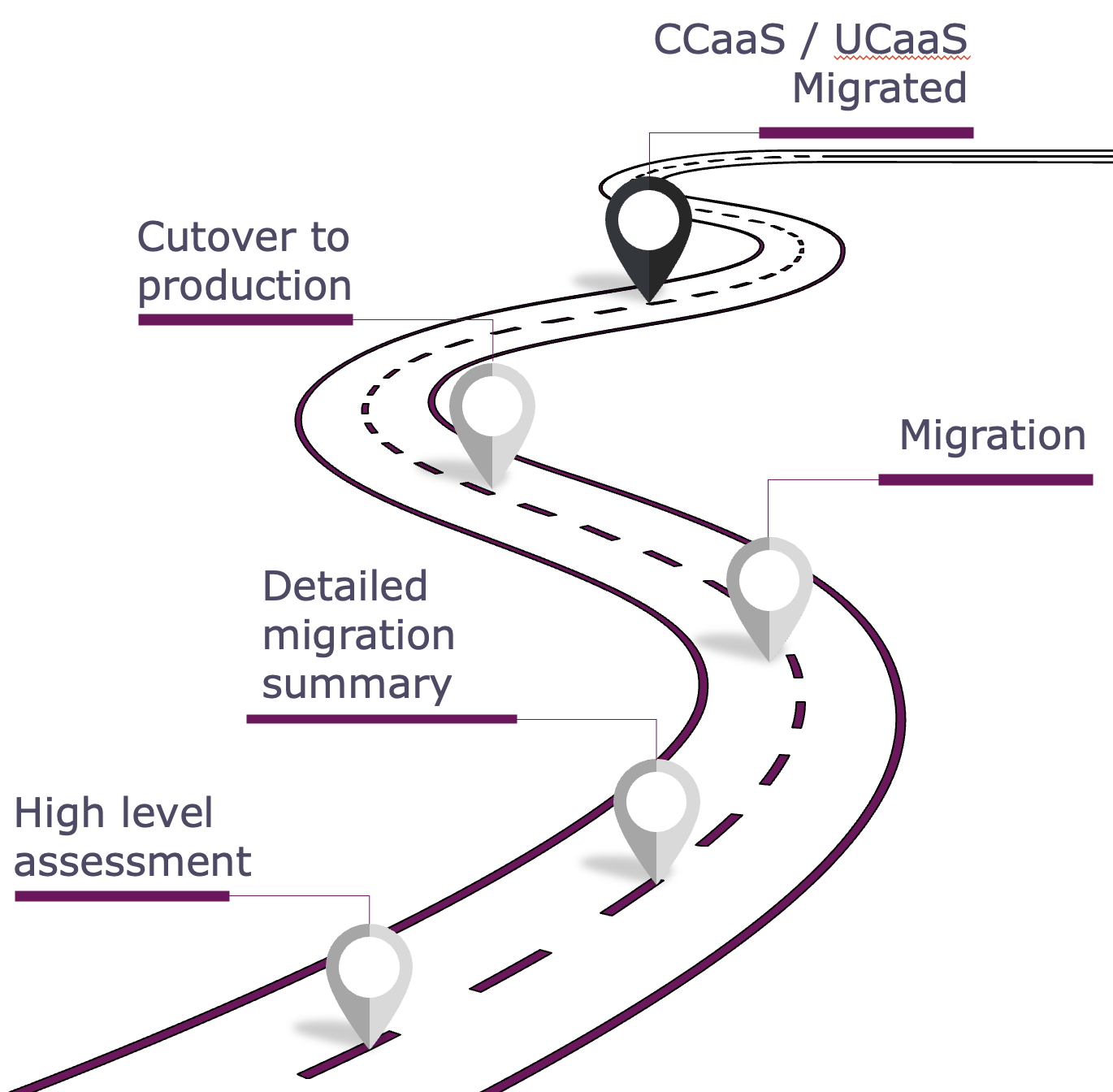
Help Businesses Navigate the Entire Migration Process
The right tools always make the difference. Nectar has developed the applications and become a trusted Cloud migration provider to ensure you can:
- operational challenges are minimized with automation
- things go to plan avoiding expensive mistakes
- efficiency is optimized by only moving what’s needed
- risk of breaking things is reduced, to keep your customers happy.
Nectar provides the technology and experience to support you in moving your customers to the Cloud and to demonstrate the essential value you provide.
TRUST CREATES SERVICE FANS
Be More Secure with Nectar
Enhanced Security & Compliance
The platform aligns with global security standards such as SOC 2, ISO 27001, PCI-DSS, and HIPAA, ensuring your clients’ data is protected at all times. We leverage AWS-native security tools like GuardDuty, SecurityHub, and CloudTrail to provide advanced threat detection, auditing, and compliance management.
Customer Data Separation & Encryption
Nectar ensures strict customer data separation through role-based access controls (RBAC), the Principle of Least Privilege (PLP), and data encryption protocols (AES 256-bit at rest, TLS 1.2 in transit). Our multi-tenant and dedicated instances provide flexible security options based on your clients’ needs.
Scalable & Resilient Architecture
Hosted on AWS global infrastructure, Nectar leverages multi-availability zones, real-time threat detection, and automated disaster recovery solutions to ensure continuous service availability.
THE BIG CLOUD MISCONCEPTION
Cloud Workloads Remain with Customers
As voice and video collaboration platforms move to the cloud, the industry is addressing a misconception that the cloud provider is responsible for end-user experience. Nectar helps service providers to demonstrate value before, during and after Cloud migration.
Responsibilities Reality
Customer
SaaS Application Provider

Cloud Migration Frequently Asked Questions
How does Nectar help with migration efficiency?
Avoid migration of old user records, unused hardware, or licenses by leveraging Nectars automated discovery capabilities. No more users still configured, who left weeks ago or redundant meeting room phones. Reuse what’s good, don’t pay for what’s not needed and use a trusted analysis of inventory.
How does Nectar help with staff adoption?
Nectar’s dual-environment quantitative data proves that the new solution is as good as the old one even before you fully switch. Staff will feel valued and heard based on the ability to see more complete, end-to-end detail to solve problems faster and with pinpoint accuracy.
What kind of features will help my IT team?
Nectar provides the ability to load test to capacity or beyond, simulating customer engagements and failover to avoid as much as 8 times the cost of fixing things after go-live, or even worse, having to rollback. Nectar’s automated testing saves manual labour and cost whilst guaranteeing consistency.
How does Nectar help retain customers during a migration?
Customers are not entirely forgiving when they can’t have a simple phone call with a company due to technical issues. Prevent failures, downtime, and performance issues that cost the brand by upsetting loyal brand fans.