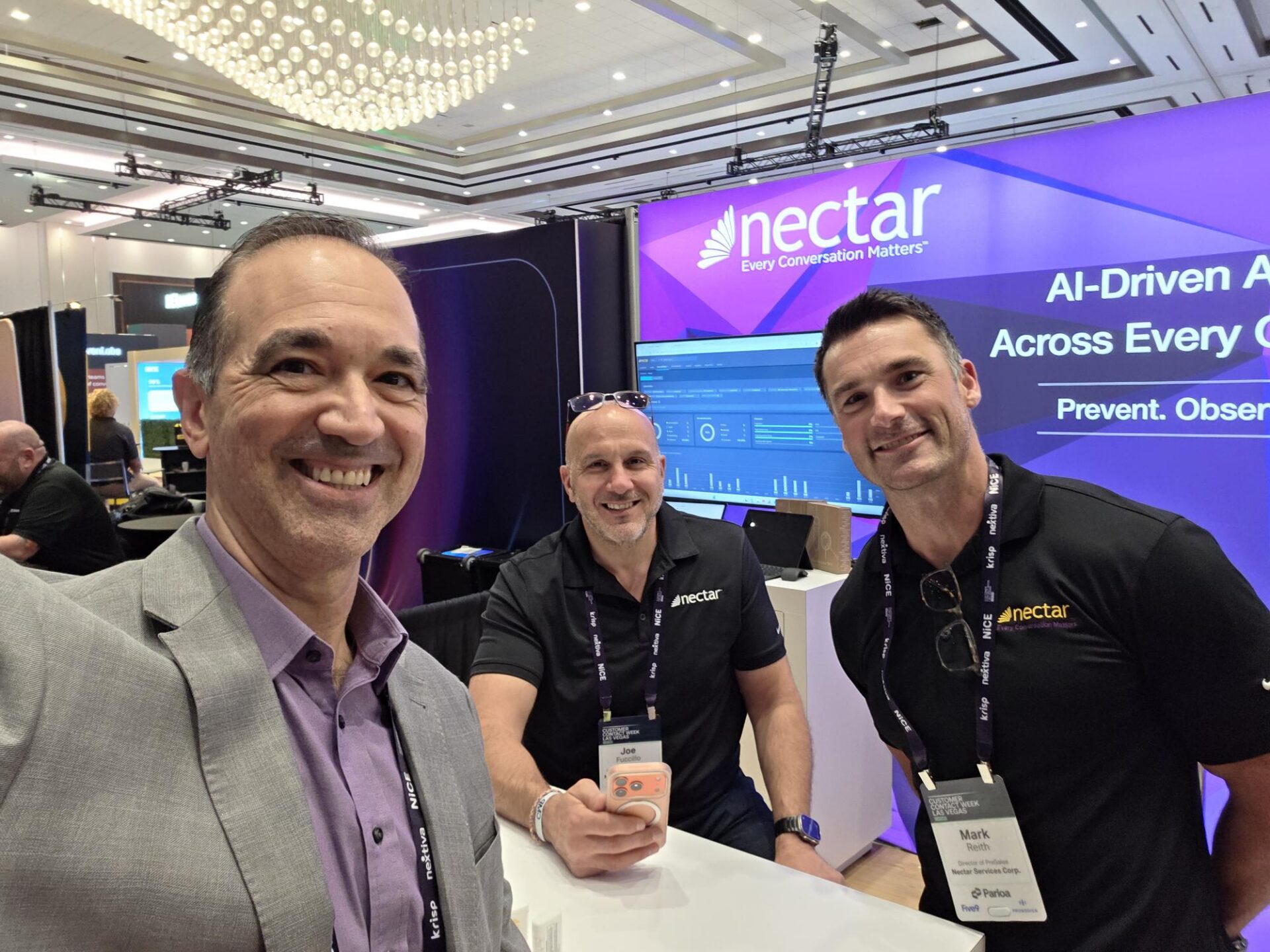

Modernizing your contact center with cloud technologies promises scalability, flexibility, and cutting-edge features but the journey isn’t always straightforward. As enterprises push toward digital transformation, many underestimate the complexity of migrating mission-critical communications from legacy systems to the cloud. It’s not just about choosing the right provider, it’s about maintaining control, ensuring performance, and delivering consistent customer experiences every step of the way. Let’s discuss the hidden challenges of cloud migration and how to navigate them with clarity and confidence.
The Cloud Advantage: Why Contact Centers Are Making the Shift
The move to cloud platforms is accelerating—and for good reason. Contact centers are turning to the cloud for:
- Elastic Scalability
Easily adjust capacity for seasonal spikes or organizational growth—without the burden of physical infrastructure. - Cost Flexibility
Shift from CapEx to OpEx with a subscription-based model that aligns with usage and reduces upfront investment. - Remote Work Enablement
Support hybrid and global teams with access-from-anywhere capabilities built into cloud platforms. - Next-Gen Features
Unlock AI, analytics, and omnichannel tools that are difficult or costly to implement in on-prem environments.
What Could Go Wrong? Key Cloud Migration Pitfalls
Security and Compliance Gaps
Migrating to the cloud means placing sensitive customer data in someone else’s hands. Industries like healthcare, finance, and government face added scrutiny under frameworks like HIPAA, GDPR, and PCI-DSS. Without proper vetting and monitoring, compliance risks multiply.
Unplanned Downtime and Service Disruptions
Despite high-availability SLAs, outages can occur during and after migration. If you can’t detect and resolve performance issues quickly, customer experience—and brand trust—can suffer.
Integration Roadblocks
Legacy systems rarely connect cleanly to cloud environments. CRM, call recording, and workforce management tools often require reengineering, delaying go-live dates and disrupting workflows.
Reduced Infrastructure Control and Visibility
In a cloud model, you’re dependent on the vendor’s timeline and tools for upgrades, maintenance, and any insight into how things are working. For some enterprises, that’s a loss of agility and visibility they can’t afford.
The Hidden Costs of “As-a-Service”
Training and Change Management
Cloud migration changes how people work. From agent workflows to IT responsibilities, retraining and onboarding are necessary but often underestimated in both cost and time.
Custom Development
To match the functionality of legacy environments, many organizations end up paying for custom integrations, dashboards, or connectors that weren’t part of the original scope—or budget.
Monitoring and Optimization
Cloud doesn’t mean “set it and forget it.” Without continuous visibility, performance blind spots can emerge across networks, endpoints, and third-party systems.
When the Cloud Makes Sense—and When It Might Not
Best Fit Scenarios:
- Scaling rapidly and need flexibility
- Supporting remote or hybrid teams
- Planning to adopt AI, speech analytics, or digital channels
Pause and Reassess If:
- You have strict compliance or data residency requirements
- Your environment is deeply tied to legacy systems
- You need direct control over infrastructure and policies
Hybrid approaches can offer a balance—especially when supported by tools that monitor across both on-prem and cloud systems.
Making Migration Work: Steps for a Smoother Transition
- Assess and Map the Environment
Document your current communications infrastructure and workflows. Identify integration points, customizations, and areas where performance visibility is critical. - Choose the Right Partners
Migration success isn’t just about technology—it’s about having the right expertise. Work with specialists who can address platform interoperability, network impacts, and service continuity. - Monitor from Day Zero
Visibility should start before the migration and continue well after. Use active testing and real-time monitoring to validate customer journeys, catch issues early, and hold providers accountable.
How Nectar Can Help
At Nectar, we understand that migrating your contact center to the cloud is more than a technical project; it’s a mission-critical transformation. Our vendor-agnostic monitoring and testing solutions give you the end-to-end visibility you need to make informed decisions, validate performance at every stage, and ensure consistent customer experiences. Whether you’re moving fully to the cloud or adopting a hybrid model, Nectar helps eliminate blind spots, reduce risk, and accelerate ROI.
Ready to take control of your cloud migration journey? Let’s talk.