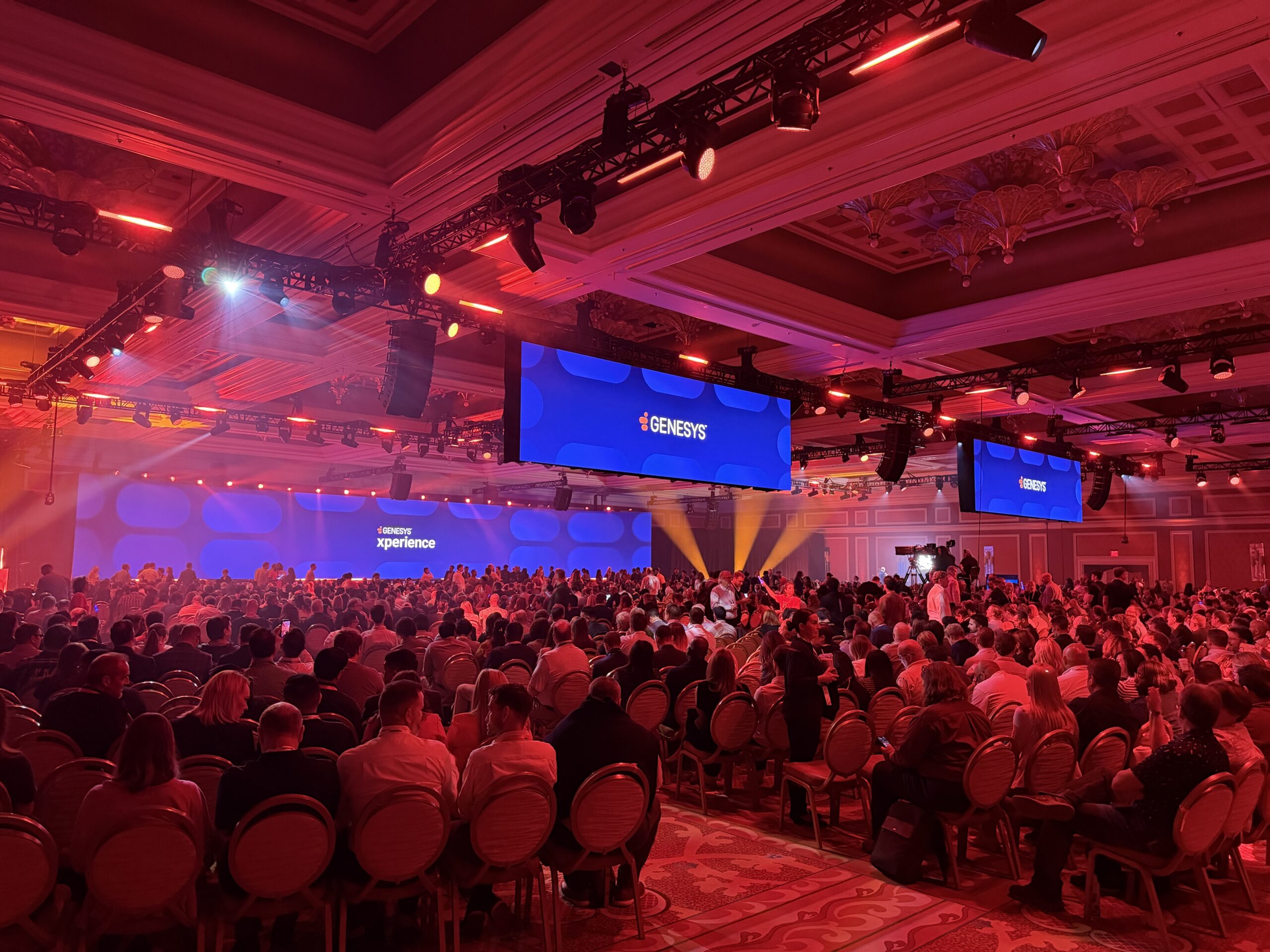
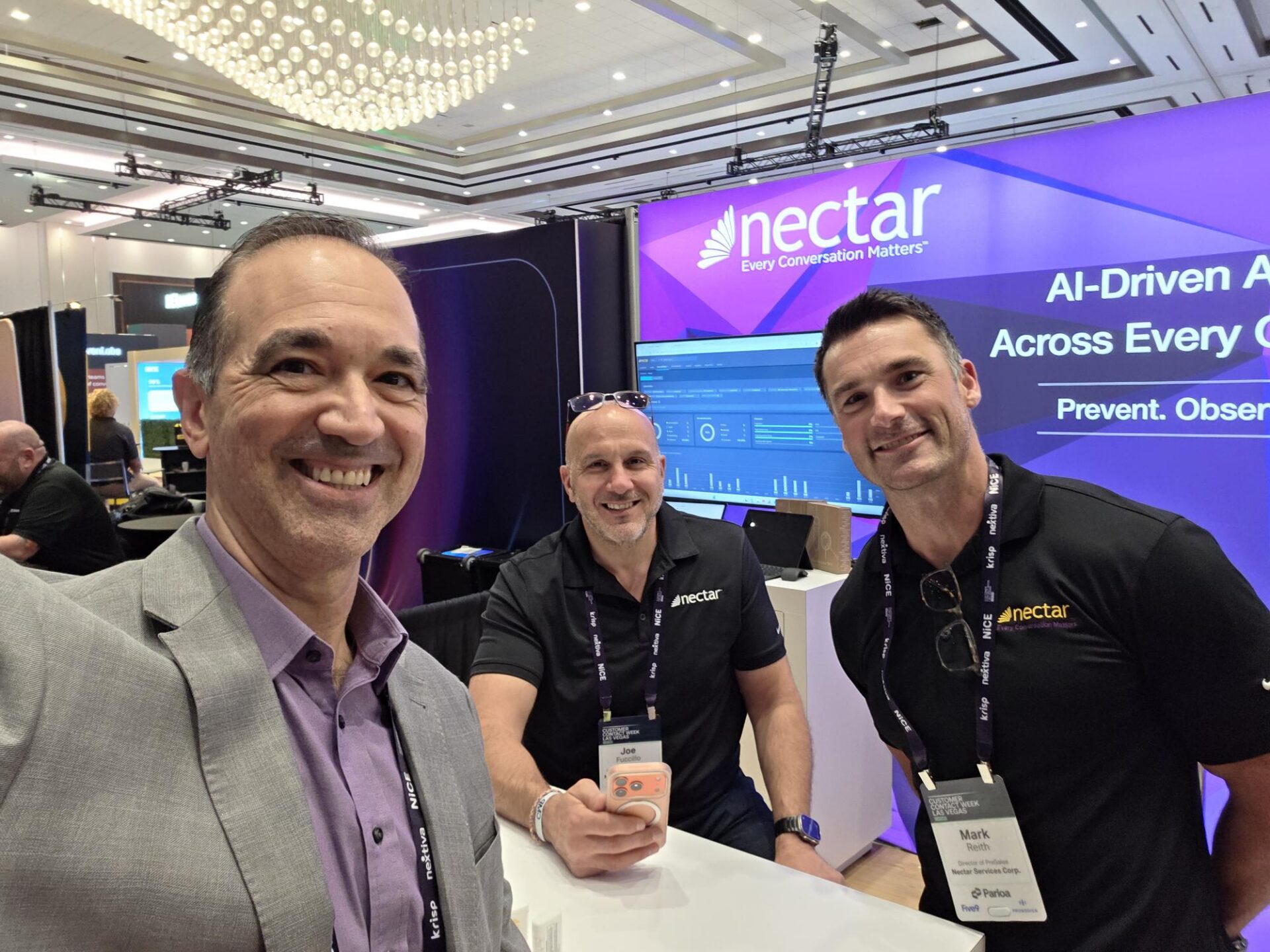
We’re back from Customer Contact Week Las Vegas, and this year’s conversations hit differently.
Joe Fuccillo, Mark Reith, and Tony Mastromatteo spent the week in conversations with contact center leaders, IT and voice teams, BPO managers, and CX consultants, and one theme surfaced in nearly every discussion: remote agents are still a major blind spot. The need for stronger contact center observability kept surfacing as a missing piece keeping teams from solving real operational problems.
Closing the Remote Agent Visibility Gap
If last year’s conversations at CCW were dominated by cloud migration complexity, this year the spotlight shifted to what happens after you’ve migrated — specifically, what happens when your agents are at home using a local ISP, on a laptop, connected through a softphone you can’t control.
The frustration was real and consistent. We heard it from teams running a couple dozen home agents to operations managing thousands. The environment varied. The frustration didn’t.
When a call sounds bad or drops entirely, the finger-pointing starts immediately. Is it the carrier? The platform? The agent’s router? Their headset? Their workstation? Without visibility into the endpoint, no one can answer those questions confidently or quickly. And meanwhile, customers are the ones affected.
We discussed with our visitors that most monitoring tools live at the network or platform level. They can tell you something went wrong, but not whether the problem started before the call ever left the agent’s machine. This is where Nectar resonated most. Nectar closes that gap, giving IT and operations teams visibility into everything that sits between the agent and the call: device health, Wi-Fi reliability, local ISP performance, and the call path itself. Our Endpoint Client makes this possible with just a lightweight, remotely managed client.
WebRTC: Everywhere, But Hard to See
A lot of those same conversations led directly to WebRTC. More contact centers than ever are running browser-based softphones. But even with all its benefits, WebRTC introduces its own visibility challenges. Because calls traverse the public internet through a browser, traditional monitoring tools often can’t see what’s happening at the media layer. Teams know a call was bad. They can’t tell why, or where the issue started.
We had conversations with organizations looking for session-level quality monitoring for WebRTC, real-time identification of degradation, and data that gives agents and supervisors something actionable. When you can pinpoint jitter, packet loss, and latency at the individual session level, you stop waiting for complaints and start getting ahead of them.
Extending Visibility to Your BPO Partners
One thread we didn’t expect to be as prominent: it’s not just your own remote agents that are invisible but your BPO partners, too.
Several conversations centered on how to ensure that outsourced agents, operating entirely outside your direct control, are delivering the experience your brand promises. When you can’t see into their endpoint environment or connection quality, you’re trusting a contract instead of data. For leaders managing significant portions of their agent capacity through third parties, that’s an uncomfortable place to be.
Visibility shouldn’t stop at your own org chart.
Conversations That Mattered
What stood out this year wasn’t just the technology discussions but real incidents, real outages, real finger-pointing situations they couldn’t resolve.
We heard from:
- IT and voice engineering teams who are accountable for agent experience but have no visibility below the platform layer when agents work remotely.
- Contact center operations leaders who are measuring CSAT and FCR but can’t connect the dots to technical root cause when scores drop.
- BPO and outsourcing managers trying to hold third-party agents to the same quality bar as internal teams — without any technical visibility into how those agents are actually performing.
- Partners looking for solutions they can bring to enterprise clients navigating exactly these challenges.
- CX transformation teams who’ve done everything right (migrated to the cloud and equipped their agents) and still can’t guarantee consistent performance from home environments.
Every one of those conversations came back to the same core need: see what’s happening at the edge of your environment, not just the middle of it. It’s clear contact center observability isn’t just a nice-to-have anymore.
Final Takeaway
In contact center infrastructure, the “last mile” used to mean the carrier connection. Today, it means the distance between your agent’s router and their headset. That’s where customer experience is won or lost.
If any of this sounds familiar (you’re running a remote or hybrid contact center and you’re not confident in what’s happening at the endpoint) we’d love to show you what’s possible. See how Nectar supports remote and hybrid workforces →